Raw Peat Moss
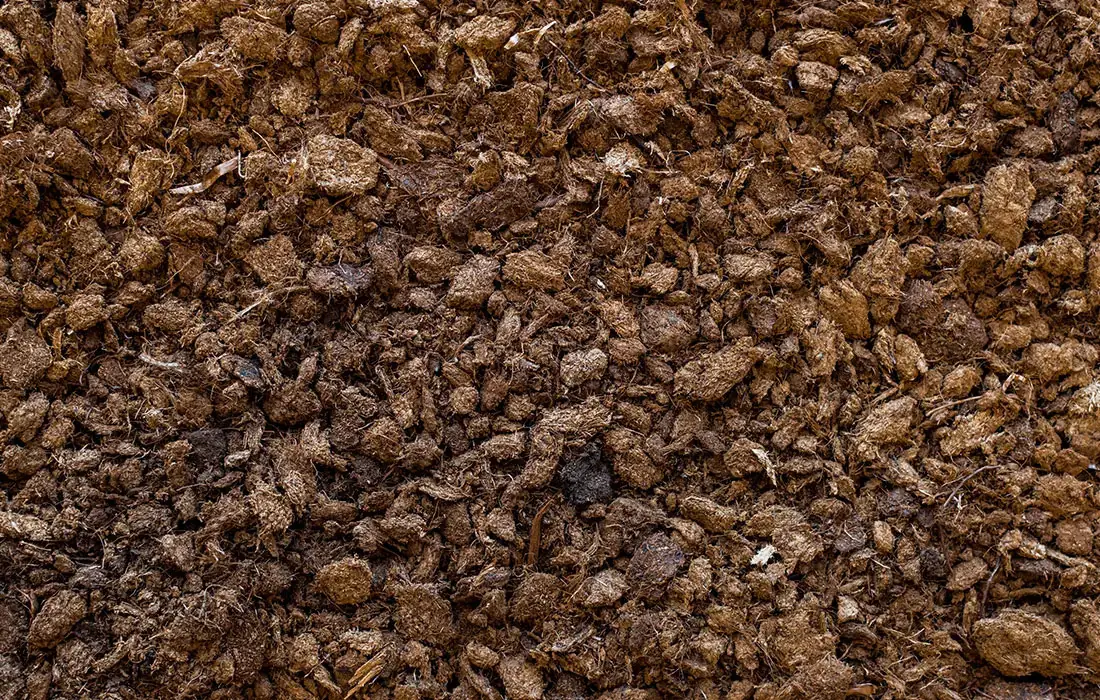
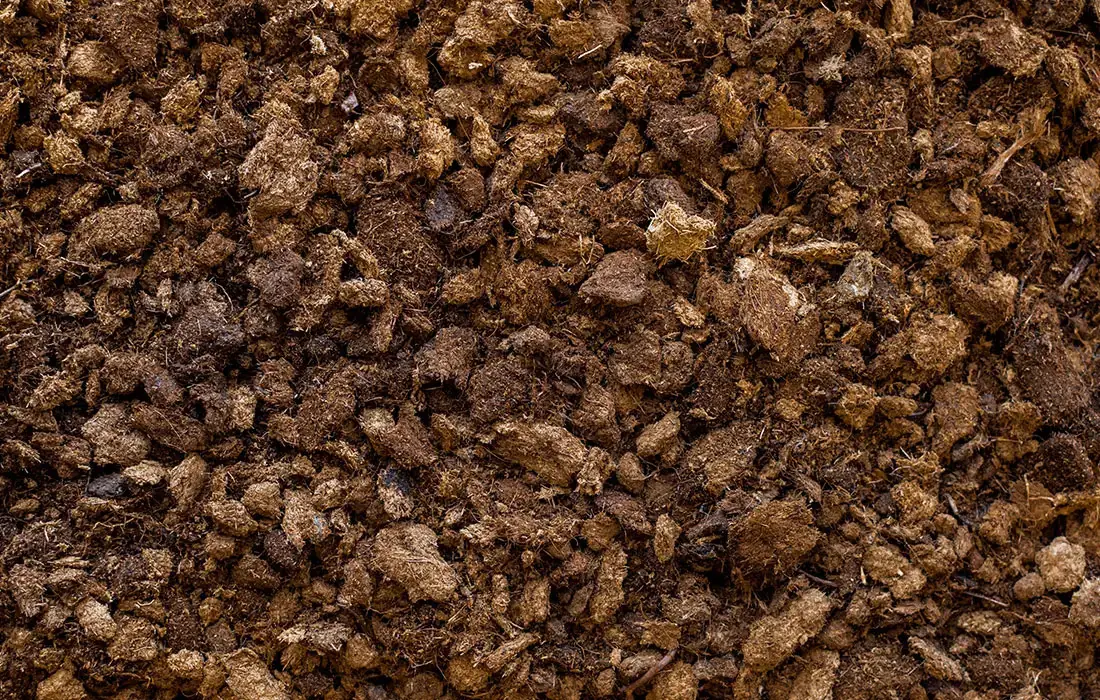
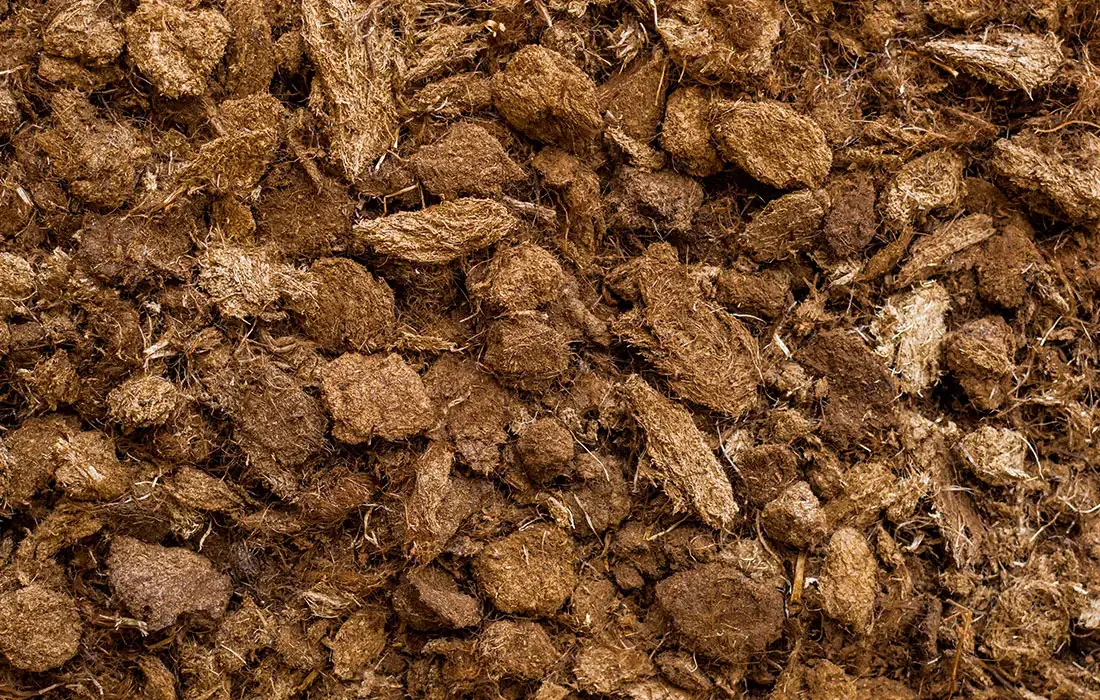
Natural raw peat moss for professional horticultural applications, available in a wide range of fractions and specifications. Nord Agri supplies peat moss with a focus on consistent quality and reliable performance across different growing needs.
Product details
- Natural white milled sphagnum peat from our own peat fields
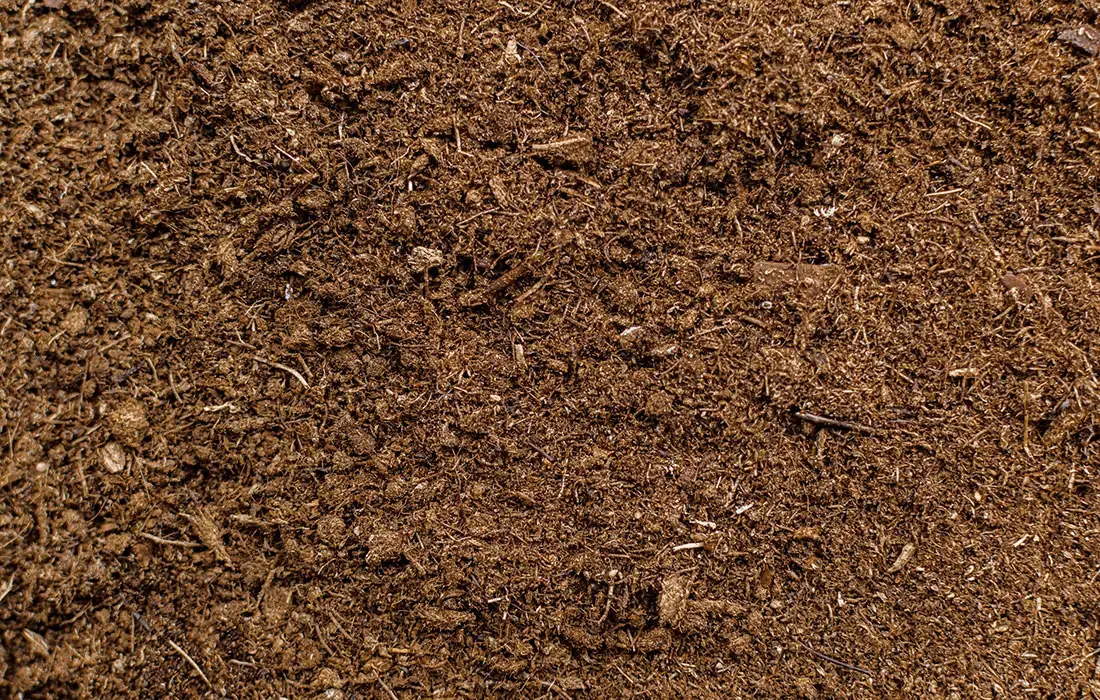
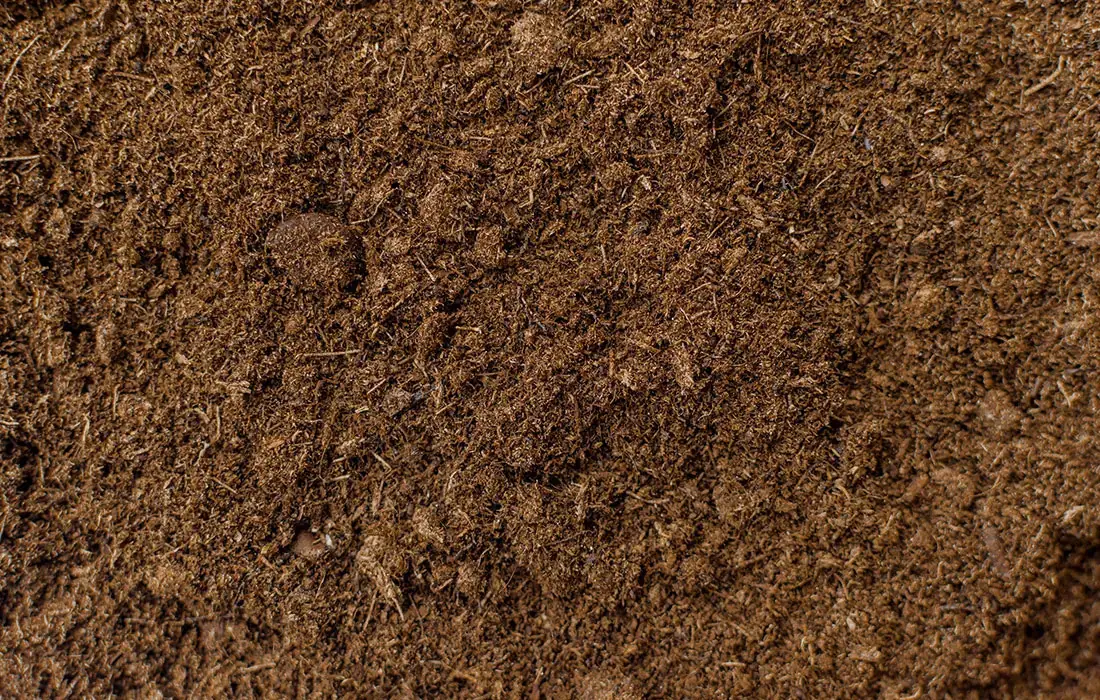
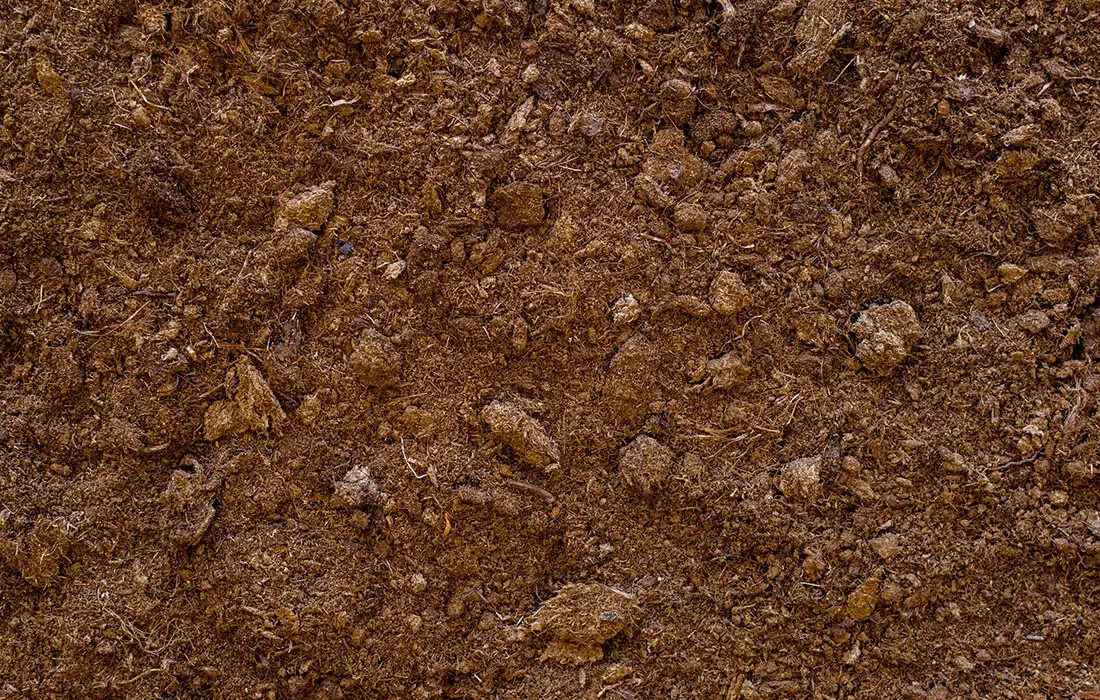
- Eight fractions, from 0-5 mm to 40-100 mm
- Low natural nutrient content and stable pH, so fertilization and liming can be set precisely
- Uniform structure and consistent quality
- Naturally free of weeds and plant pathogens
- Responsibly Produced Peat (RPP) certified
Professional horticulture and growing-media production: as the base for substrates and potting mixes, or used directly by growers who set their own fertilization and pH. The fraction is chosen to suit the crop, container size and irrigation system.
Fine fractions hold more water and water-soluble nutrients. Coarser fractions add air-filled porosity, improve drainage and keep the root zone open. Milled peat gives a uniform, finer structure; sod peat consists of larger, stable particles that keep the structure open over long cultivation periods.
Store bales in a cool, dry place, protected from direct sunlight and rain, preferably below about 25 °C, and use them first in, first out. Loosen compressed peat gently, with minimal mechanical force, so its structure is kept; for small quantities, a fork or wide shovel on a clean concrete surface works well.
Variants and data sheets
Fraction: 0-5 mm
Water and air: holds the most water and water-soluble fertilizer; suits seedlings
Peat type: natural white sphagnum peat, H2-H5 on the von Post scale
Moisture: 40-60 %
pH: 2.5-4.5
EC: < 0.2 mS/cm
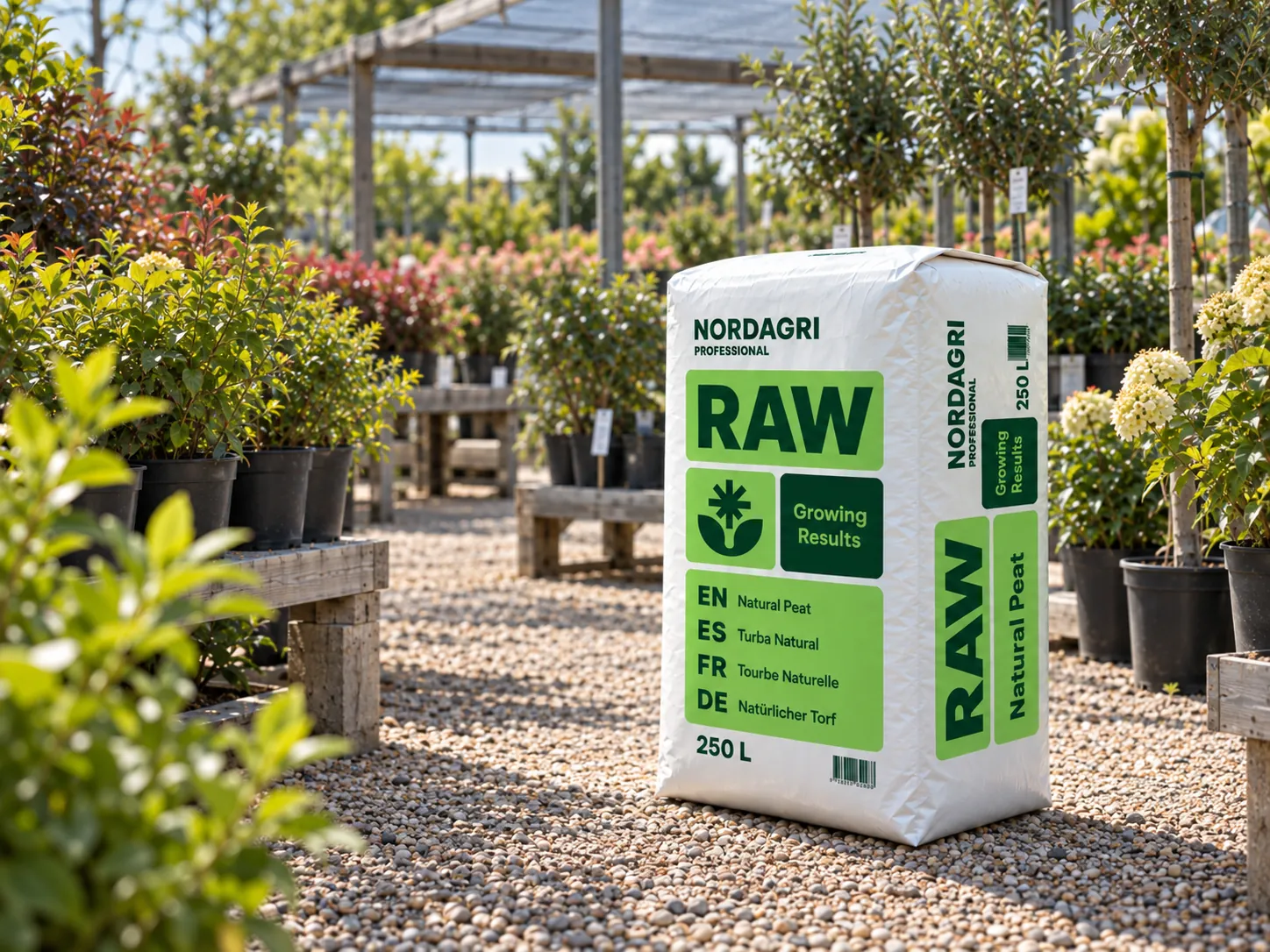
Packaging: 250 L, 300 L and 6000 L bags
Fraction: 0-10 mm
Water and air: high water-holding capacity, for crops that need more moisture
Peat type: natural white sphagnum peat, H2-H5 on the von Post scale
Moisture: 40-60 %
pH: 2.5-4.5
EC: < 0.2 mS/cm
Packaging: 250 L, 300 L and 6000 L bags
Fraction: 0-20 mm
Water and air: balances water-holding capacity and air
Peat type: natural white sphagnum peat, H2-H5 on the von Post scale
Moisture: 40-60 %
pH: 2.5-4.5
EC: < 0.2 mS/cm
Packaging: 250 L, 300 L and 6000 L bags
Fraction: 0-40 mm
Water and air: the fine part holds water, the coarse part adds air and drainage
Peat type: natural white sphagnum peat, H2-H5 on the von Post scale
Moisture: 40-60 %
pH: 2.5-4.5
EC: < 0.2 mS/cm
Packaging: 250 L, 300 L and 6000 L bags
Fraction: 5-20 mm
Water and air: more air-filled porosity and better drainage than the fractions that start at 0 mm
Peat type: natural white sphagnum peat, H2-H5 on the von Post scale
Moisture: 40-60 %
pH: 2.5-4.5
EC: < 0.2 mS/cm
Packaging: 250 L, 300 L and 6000 L bags
Fraction: 10-20 mm
Water and air: an open structure with high air capacity and good drainage
Peat type: natural white sphagnum peat, H2-H5 on the von Post scale
Moisture: 40-60 %
pH: 2.5-4.5
EC: < 0.2 mS/cm
Packaging: 250 L, 300 L and 6000 L bags
Fraction: 20-40 mm
Water and air: a very open structure for fast drainage and an airy root zone
Peat type: natural white sphagnum peat, H2-H5 on the von Post scale
Moisture: 40-60 %
pH: 2.5-4.5
EC: < 0.2 mS/cm
Packaging: 250 L, 300 L and 6000 L bags
Fraction: 40-100 mm
Water and air: the most open structure and the highest air capacity
Peat type: natural white sphagnum peat, H2-H5 on the von Post scale
Moisture: 40-60 %
pH: 2.5-4.5
EC: < 0.2 mS/cm
Packaging: 250 L, 300 L and 6000 L bags
Certificates
Nord Agri holds the Responsibly Produced Peat (RPP) certificate, No. RPP-19-0120. It confirms that our peatlands are used, managed and restored responsibly: bogs with high conservation value stay untouched, peat comes from degraded peatlands, and harvested areas are restored.
Ask about this product
Prices, volumes, delivery or which variant suits your crop: send a short message and the team will reply by email.
Prefer to call? +371 67 266 800
Consistent Peat for Every Growing Need
For professional horticulture where consistent quality, flexible fractions, and reliable raw peat moss are essential. Available in a broad range of fractions and specifications, the range is designed to meet different growing applications and professional requirements.
Frequently asked questions
Natural peat moss is widely used in professional horticulture because of its ability to balance water retention, air capacity, and nutrient management. Its physical structure can be selected to suit different crops and growing systems.
Sphagnum peat moss has a naturally low nutrient content, stable pH characteristics, and a uniform structure. This allows growers to manage fertilization and pH more precisely according to crop requirements.
Natural peat moss can be supplied in different structures and particle sizes, from fine material to coarse fractions. Different fractions provide different levels of water retention, drainage, and air capacity.
Fine peat fractions provide higher water-holding capacity and improved retention of water-soluble nutrients, making them suitable where greater moisture availability is required. Coarser fractions increase air-filled porosity, improve drainage, and help maintain a more open root-zone structure, making the choice of fraction dependent on crop requirements and the cultivation system.
Peat products should be stored in a cool, dry place and protected from direct sunlight and rain. We recommend keeping pallets below approximately 25 °C where possible and following a first-in, first-out storage system.
Compressed peat moss should be loosened gradually and with minimal mechanical force to preserve its original particle structure. This is especially important for coarse fractions, where aggressive mixing, grinding, or high-speed equipment can break down larger peat particles and increase the proportion of fines, changing the intended air and water characteristics of the material. Where possible, equipment should be selected specifically for gentle loosening rather than intensive mixing. For smaller quantities, we recommend loosening the peat by hand on a clean concrete surface using a fork or large shovel, allowing the material to open up without unnecessary structural damage.
The cellular structure of sphagnum peat moss creates a balanced pore system that supports both water retention and air availability in the root zone. By selecting the appropriate peat structure and fraction, the balance between moisture-holding capacity, drainage, and aeration can be adjusted to suit different crops and cultivation systems.
Not necessarily. Changes in substrate pH during cultivation are often influenced by irrigation water quality and the type of fertilizer used rather than by the peat itself. Nitrate-based fertilization and harder water may increase pH, while ammonium-based fertilization and softer water may reduce it, so regular monitoring of irrigation water, fertilization, and substrate pH is important throughout the growing cycle.
Milled peat provides a more uniform, finer structure and typically offers higher water-holding capacity. Sod peat consists of larger, more stable particles that increase air-filled porosity, improve drainage, and help maintain structural stability over longer cultivation periods. The appropriate type depends on the crop, container size, and required balance between water retention and aeration.
Compressed Sphagnum Peat Moss may occasionally develop a temporary odor after prolonged transport, particularly under warm conditions with limited oxygen. This can result from natural anaerobic microbiological activity inside the compressed material and does not necessarily indicate a quality issue. Loosening and aerating the peat after opening allows trapped gases to dissipate and typically restores normal conditions before use.
Fen peat and raised bog peat come from very different raw material. Fen peat is harvested from nutrient-rich (eutrophic) bogs and is made up of many kinds of reeds, sedges, grasses, birch and pine. Its age varies widely, its nutrient content is irregular, and it often has a high salt content and an unpredictable, frequently high pH. It is usually heterogeneous.
Raised bog peat comes from nutrient-poor (oligotrophic) bogs and consists mainly of sphagnum moss. It forms in waterlogged, oxygen-poor conditions over a long humification process, from lightly decomposed white peat to more decomposed black sphagnum peat. The sphagnum cell structure stays intact, the nutrient content is low and the pH is stable, so nutrition and pH can be set precisely with fertilizer and limestone. Because it is almost pure sphagnum, its physical properties are very consistent. It is rich in humic acids, which promote root growth, and it is free of weeds, nematodes and plant pathogens.
No Nordagri product contains plant-pathogenic nematodes. Peat can contain saprophytic nematodes, which have no mouth stylet and cannot damage living plants; they are found in sphagnum peat all over the world. Our raw peat goes through strict laboratory checks, quality management is based on the RHP standard, and national import and export inspections and phytosanitary certificates confirm that the products are free of pathogenic nematodes.
Raised bog peat is naturally very clean. It has a low nutrient content and a low pH, and a waterlogged bog only supports specially adapted plants, so common field crops cannot grow there and pests and diseases cannot establish. Peat taken from agricultural land has to be disinfected; raised bog peat does not, which is a clear economic and ecological advantage. Nordagri’s quality management monitors pests and diseases regularly, confirmed by phytosanitary certificates.
Disinfection can even do harm: it kills beneficial microorganisms and removes the natural suppressive effect that helps protect plants against pathogens.
Most Nordagri products are made from white peat; some have black peat added. The choice depends on the crop and the irrigation method. Peat is classified on the von Post decomposition scale from H1 to H10. Our lightly decomposed white peat is H2-H5. Moderately decomposed white peat (H4-H6) is used for specific purposes such as propagating young vegetable plants: it is darker and holds water well. Black sphagnum peat (H7-H10) is more decomposed and is used only where high water retention is needed.
Colour follows the degree of decomposition, although peat from older bogs can look darker at a similar level. Older bogs generally also give a more stable peat structure.
The 250 L bale is compressed so it is easier to handle and transport, for our staff and for growers. The substrate volume is measured according to the European standard EN 12580 and checked continuously during filling in the factory. The volume is printed on every bale.
Raised bog peat combines economic, chemical, physical and biological properties that give it more advantages than any other growing medium. Its uniformity and ideal properties are what growers need for the best results and the highest crop security. Modern cultivation follows fixed routines for fertilization, irrigation and crop protection, and a substrate that stays stable in structure, nutrient supply and pH is what makes those routines work.
Fine peat: finer structures store more water and water-soluble fertilizer, while coarser structures give more air capacity. Seedlings can be grown in a fine product; pot plants do best in a mix of surface-milled peat and sod peat for good drainage and physical properties.
Sod peat: gives the substrate a stable framework and air capacity. Together with peat fibres it builds the substrate’s structure, and its intact cells still hold water and fertilizer. The better drainage lets sensitive root systems develop.
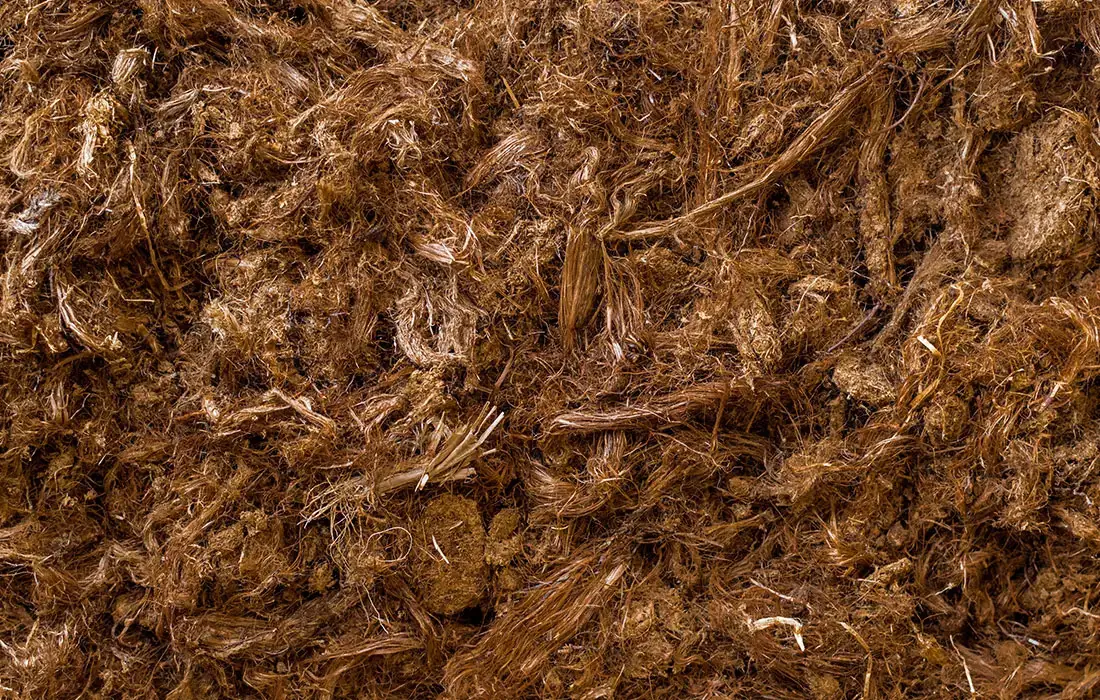
Peat fibres: made from partly decomposed cotton grass (Eriophorum), they give excellent structural stability, move water through the substrate and improve drainage.
Not necessarily. Peat fibres help drainage by moving water. With too much fibre the substrate first looks soft and airy, but the strong drainage washes finer particles to the bottom of the container, which causes silting. A high fibre content therefore cannot replace sod peat in a well-balanced growing medium.
Our raw material comes from our own peat fields, so the quality of Nordagri products is very consistent. Our recipes are used by growers around the world, and fertilizers and additives are carefully controlled and tested.
- High-quality products for reliable crop results
- Production based on strict quality schemes
- Laboratory checks on every production batch before dispatch, with full traceability for every batch and order
- Reliable supply all year round
- Technical support from Nordagri’s international network
- Effective fertilizer solutions, specific trace-element fertilizers and a wetting agent for high crop security